Vermont Home Grow Guide: Laws, Cold-Climate Tips & Best Strains for Short Seasons
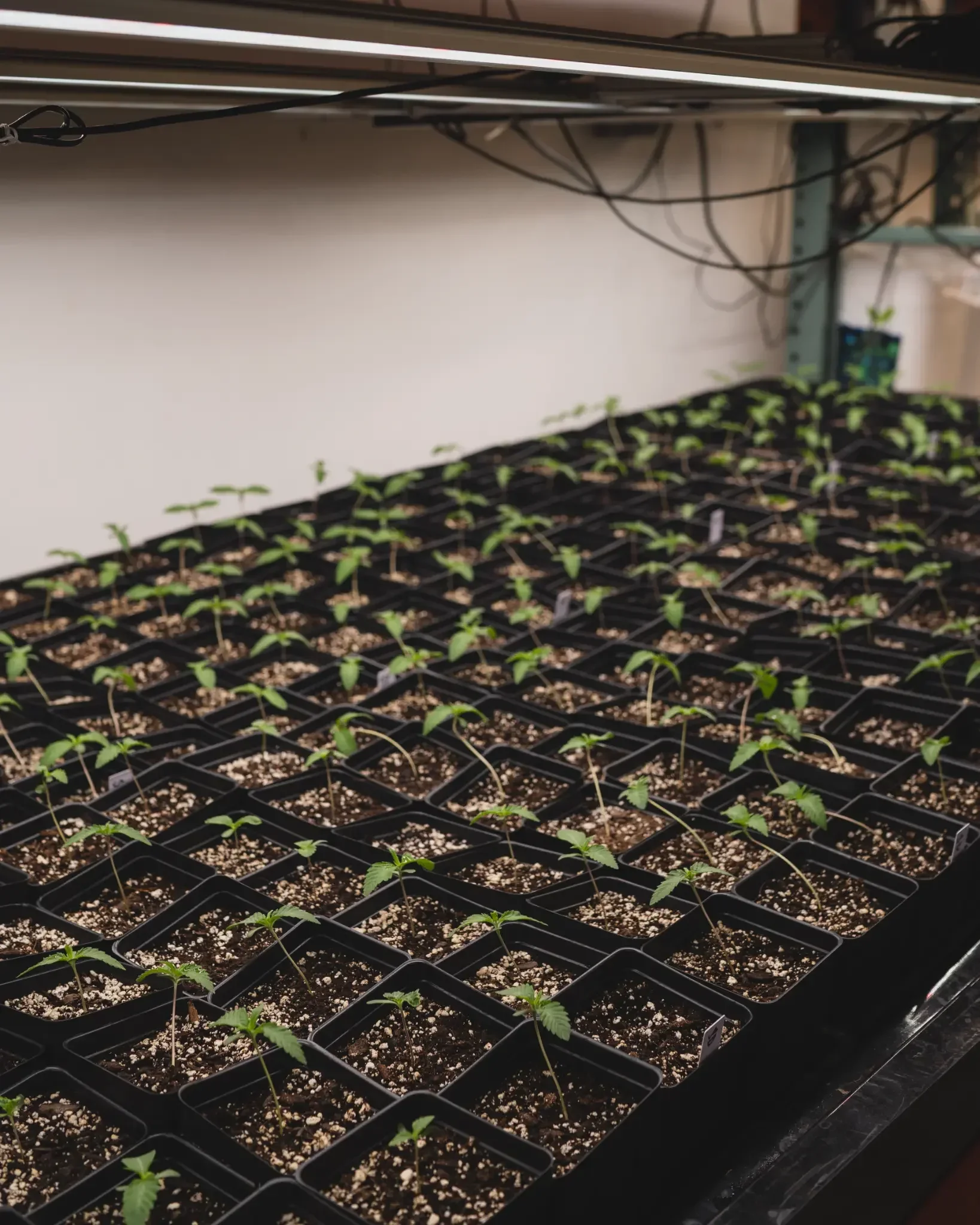
The Green Mountains have long called to those with a spirit of self-reliance and a love for things that grow. From sprawling vegetable gardens to carefully tended flower beds, Vermonters have a deep connection to the soil. With the legalization of cannabis, many are now turning their green thumbs to a new and rewarding plant. But cultivating quality cannabis in our unique climate requires more than just planting a seed; it requires local knowledge and a respect for both state law and the rhythm of our seasons.
At Sunkissed Farm, we believe that the joy of cannabis is deepened by understanding its journey from seed to harvest. Whether you are a seasoned gardener or a curious newcomer, this guide will provide you with the essential knowledge to successfully and legally cultivate your own cannabis at home in Vermont.
Understanding Vermont's Home Grow Laws
First and foremost, it is crucial to understand the legal framework that governs home cultivation in our state. Vermont law is designed to be permissive for personal use while ensuring safety and responsibility. As of 2026, here are the key rules every home cultivator must follow [1]:
Plant Count: 2 mature and 4 immature plants per dwelling unit
Harvest Storage: Stored in a secure, indoor location on the property
Cultivation Location: On your property or with written consent
Visibility: Must be screened from public view
Access: Limited to the cultivator and authorized adults (21+)
It’s important to note the term “per dwelling unit.” This means that even if multiple adults live in the same home, the limit remains two mature and four immature plants for the entire household. A “mature” plant is defined as one that has begun to flower, producing the buds that will eventually be harvested.
Any cannabis harvested from your legal plants and stored securely on your property does not count toward the public possession limit of one ounce. This allows you to keep and enjoy the fruits of your labor without worry. However, failing to screen your plants from public view or secure them from unauthorized access can result in civil penalties, so thoughtful placement is key.
Tips for a Thriving Vermont Garden
Our short, intense growing season and cool climate present both challenges and opportunities for the cannabis cultivator. Success lies in working with our environment, not against it.
Start Your Seeds Indoors: Don't wait for the last frost to pass. To give your plants a strong head start, germinate your seeds indoors around mid-May. Cultivating them in pots under a simple light source for a few weeks allows them to develop a robust root system before they face the elements.
Harden Your Plants: Before moving your young plants to their final outdoor home, they need to be acclimated to the outdoor environment. This process, known as “hardening off,” involves gradually exposing them to outdoor conditions over the course of a week. Start with a few hours in a shady, protected spot and slowly increase the time and direct sun exposure each day.
Choose Your Location Wisely: Your plants will need at least 6-8 hours of direct sunlight per day. An ideal spot will receive ample morning and early afternoon sun while being protected from the harshest late-afternoon rays. Remember the legal requirement: the location must be screened from public view, so consider natural barriers like fences, shrubs, or the contour of your land.
Prepare Your Soil: Cannabis thrives in well-draining, nutrient-rich soil. If you're planting directly in the ground, amend your soil with quality compost to improve its structure and fertility. For container growing, use a high-quality potting mix designed for vegetable cultivation. This will ensure your plants have the foundation they need for healthy growth.
Protect Against Frost: Vermont weather is famously unpredictable. An early frost in September can be devastating to a flowering plant. Be prepared with frost blankets or row covers. If your plants are in containers, have a plan to move them into a garage or shed during unexpectedly cold nights.
The Best Varietals for Vermont's Short Season
Selecting the right genetics is perhaps the single most important decision you will make. You need varietals that are hardy, mold-resistant, and, most importantly, can finish their flowering cycle before the cold and wet weather of autumn sets in.
Autoflowering Varietals: The Ideal Choice for Beginners
For new growers, we highly recommend starting with autoflowering varietals. Unlike traditional (photoperiod) plants that rely on changing light cycles to trigger flowering, autoflowers begin to bud based on age, typically just a few weeks after germination. This results in a much faster seed-to-harvest time, often under 100 days, making them perfectly suited for our short season.
Recommended Autoflowers: Northern Lights Automatic, Royal Critical Automatic, Sweet Skunk Automatic.
Photoperiod Varietals: For the More Experienced Cultivator
If you have some growing experience, you might explore photoperiod varietals. Look for those with genetics from cold, mountainous regions and a reputation for finishing quickly.
Recommended Indicas: Hindu Kush, Master Kush, and Purple Kush are classic choices, known for their resilience and fast flowering times.
Recommended Hybrids: Blue Cheese and Bubble Kush are hardy hybrids that offer a good balance of yield and weather resistance.
Cultivating your own cannabis is a rewarding journey that deepens your appreciation for this incredible plant. By following the law, preparing for our climate, and choosing the right varietals, you can enjoy a successful and bountiful harvest right here in the Green Mountains.
References
[1] The Vermont Statutes Online. Title 18: Health, Chapter 084: Possession and Control of Regulated Drugs, § 4230e. Cultivation of cannabis by a person 21 years of age or older. https://legislature.vermont.gov/statutes/section/18/084/04230e
