Where Can You Legally Consume Cannabis in Vermont? A Complete 2026 Guide
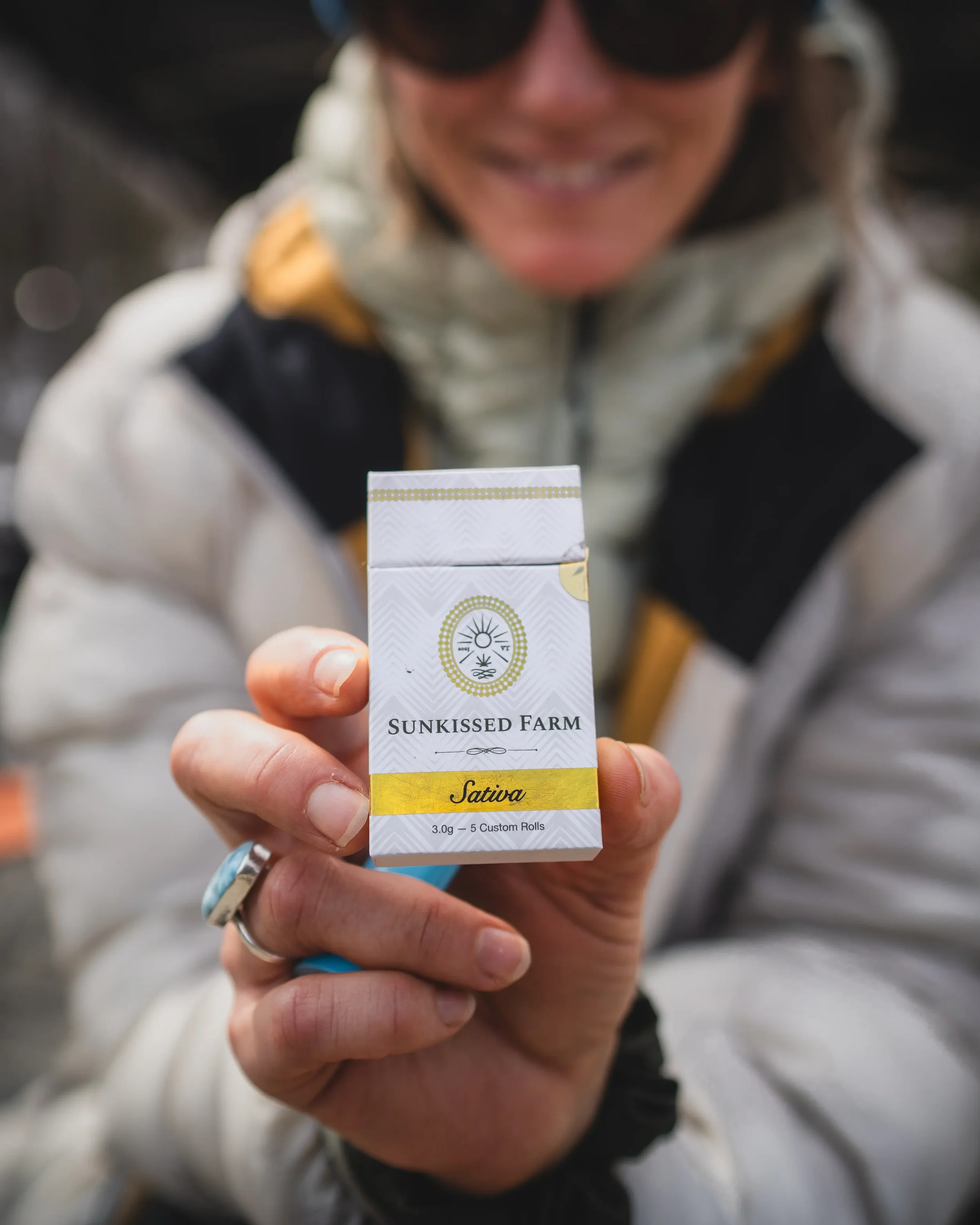
If you've ever stood outside a Vermont dispensary, bag in hand, wondering where exactly you're allowed to enjoy what you just purchased—you're not alone. It's one of the most common questions we hear at the farm stand in Woodstock, especially from folks visiting from out of state.
The short answer is simpler than you might think: private property with the owner's permission. That's it. But the longer answer involves some nuance worth understanding, particularly if you're visiting Vermont, renting a place, or planning to hit the slopes this winter.
The Basic Rule: Private Property Only
Vermont law is clear on this point. Cannabis consumption is legal only on private property where it's not otherwise prohibited. Your own home, your own yard, a friend's back porch with their blessing—these are the places where you can legally enjoy cannabis in Vermont.
This rule applies whether you smoke, vape, or consume edibles. The method doesn't change the location requirement.
For those of us who live here, it's straightforward enough. But Vermont welcomes millions of visitors each year, and the disconnect between where you can buy cannabis and where you can consume it creates real confusion. More than 70 dispensaries operate across the state now—you can purchase cannabis in most of the towns tourists visit—but finding a legal place to consume requires a bit more planning.
What Counts as a Public Place (and Why It Matters)
Public consumption carries civil fines: $100 for a first offense, $200 for a second, and up to $500 after that. Not criminal charges, but not nothing either.
The definition of "public place" casts a wide net. Streets, sidewalks, parks, trails, parking lots—all off limits. But it also includes any "place of public accommodation," which covers restaurants, stores, hotels, concert venues, and basically anywhere that serves the general public.
That hotel balcony? Technically public accommodation. The scenic overlook on Route 4? Public space. The parking lot after your friend's wedding reception? Still counts as public.
This isn't unique to cannabis—Vermont's clean indoor air laws that restrict tobacco smoking apply equally to cannabis. If you can't smoke a cigarette somewhere, you can't consume cannabis there either.
The Vehicle Rules Are Serious
This is where Vermont law gets teeth. Operating a vehicle while consuming cannabis carries fines up to $500. Even being a passenger and consuming while the car is moving brings fines up to $200.
Here's something that surprises people: Vermont treats cannabis open containers more strictly than alcohol. The fine for an open cannabis container is $200, compared to just $25 for alcohol. The reasoning involves driving impairment concerns, but the practical effect is that transporting cannabis requires care.
The safest approach: keep your purchase in a closed container in the trunk, or behind the back seat in vehicles without trunks. An unlocked glove compartment doesn't count—it's still considered the passenger area.
And it should go without saying, but driving impaired is a serious offense with the same penalties as alcohol DUI. Having a medical card doesn't provide an exemption.
Hotels, Rentals, and Finding a Legal Place to Stay
This is where visitors hit the wall. You've driven up from Boston for a ski weekend, stopped at a dispensary, and now you're checking into your hotel. Can you consume in your room?
Almost certainly not. Major hotel chains uniformly prohibit cannabis, and most independent hotels follow suit. Your room is technically a "place of public accommodation" under Vermont law, making consumption illegal by default regardless of what the hotel policy says.
Vacation rentals offer more flexibility—but only if the property owner explicitly permits it. "Cannabis-friendly" is a selling point some Airbnb hosts and rental properties now advertise. Platforms like Bud and Breakfast specialize in 420-friendly accommodations. But you need to confirm this directly with the property owner. Assuming permission where none was given creates legal risk.
For renters in long-term housing, the same logic applies. Your landlord can prohibit cannabis use in your lease agreement, even if you have a medical card. Vermont places the burden on renters to confirm permission, so check your lease and ask directly if there's any ambiguity.
Ski Resorts: It Depends on the Land
Winter brings skiers, and skiers have questions. The answer depends on whose land the resort sits on.
Three Vermont ski areas operate on Green Mountain National Forest land: Mount Snow, Stratton Mountain, and Bromley Mountain. This is federal property, where federal law applies. Cannabis possession and use there isn't just a civil fine—it's a federal crime with potential jail time and minimum $1,000 fines for a first offense.
Seven major resorts operate on state-leased land: Jay Peak, Burke Mountain, Smugglers' Notch, Stowe, Killington, Okemo, and part of Bromley. State park land still prohibits public consumption, but the penalties are civil rather than criminal.
Regardless of land ownership, all resort common areas—slopes, lifts, base lodges, parking lots—count as public spaces where consumption is prohibited. The only legal option at any ski resort is private lodging with the owner's explicit permission.
Federal Land Throughout Vermont
The Green Mountain National Forest covers roughly 400,000 acres across central and southwestern Vermont. If you're hiking, camping, or recreating on federal land, cannabis remains fully illegal under federal law.
The Appalachian Trail sections crossing federal land fall under federal jurisdiction. So do portions of Lake Champlain. The practical advice: if you're heading into the backcountry, leave the cannabis behind.
Federal penalties escalate quickly—up to a year imprisonment and $1,000 minimum fine for a first offense, with sharply increasing consequences for repeat violations.
What About Cannabis Lounges?
As of early 2026, Vermont has no cannabis lounges, consumption cafes, or social consumption venues of any kind. None. Zero.
This puts Vermont behind neighboring Massachusetts, which approved social consumption regulations in late 2024. Industry advocates continue pushing for similar options here, arguing that current laws effectively limit legal consumption to property owners—leaving renters and visitors without good options.
The Cannabis Control Board has authority to create such licensing under existing law, but hasn't done so. Governor Scott has shown resistance, and Vermont's rural character creates practical challenges around transportation and enforcement. Change may come eventually, but not this ski season.
A Note for Visitors from Other States
Anyone 21 or older with valid ID can purchase cannabis at Vermont dispensaries—no residency requirement. But here's what trips people up: you cannot legally transport cannabis across state lines, even between two states where it's legal.
This matters particularly for our neighbors. New Hampshire remains the only New England state without legal recreational cannabis. Driving from Vermont into New Hampshire with cannabis you purchased legally is a federal crime. Even passing through New Hampshire to reach Maine or Massachusetts creates federal drug trafficking exposure.
The practical approach: consume what you purchase while in Vermont, or leave it behind when you cross state lines.
Some Towns Have Opted Out
Vermont operates as a retail opt-in state—municipalities vote whether to allow cannabis retailers. Currently about 78 of 247 towns have opted in, including Burlington, Montpelier, Woodstock, and most ski towns. But some communities you might expect—like South Burlington and Williston—haven't.
This doesn't affect consumption rules directly, but it shapes where dispensaries exist and signals local attitudes. Town-level differences in zoning and local ordinances can add wrinkles to the statewide rules.
The Practical Summary
If you own your home in Vermont, you're all set. Consume on your own property as you please.
If you rent, check your lease and confirm with your landlord. Don't assume permission.
If you're visiting, book cannabis-friendly accommodations in advance through specialized platforms, or contact property owners directly to confirm policies before booking.
If you're skiing, know which mountain you're on. Avoid any cannabis at Mount Snow, Stratton, or Bromley where federal law applies. At all resorts, consume only in private lodging.
If you're driving, keep cannabis sealed in the trunk and never consume while operating or riding in a vehicle.
And if you're crossing state lines—don't bring it with you.
We keep things straightforward at the farm stand in Woodstock. If you've got questions about Vermont's rules—or just want to know what we're growing this season—stop by sometime. We're happy to help you navigate both.
Research Sources:
