The sativa/indica distinction describes plant shape, not effects. Terpene profiles predict your experience — here's what genetics research actually shows.
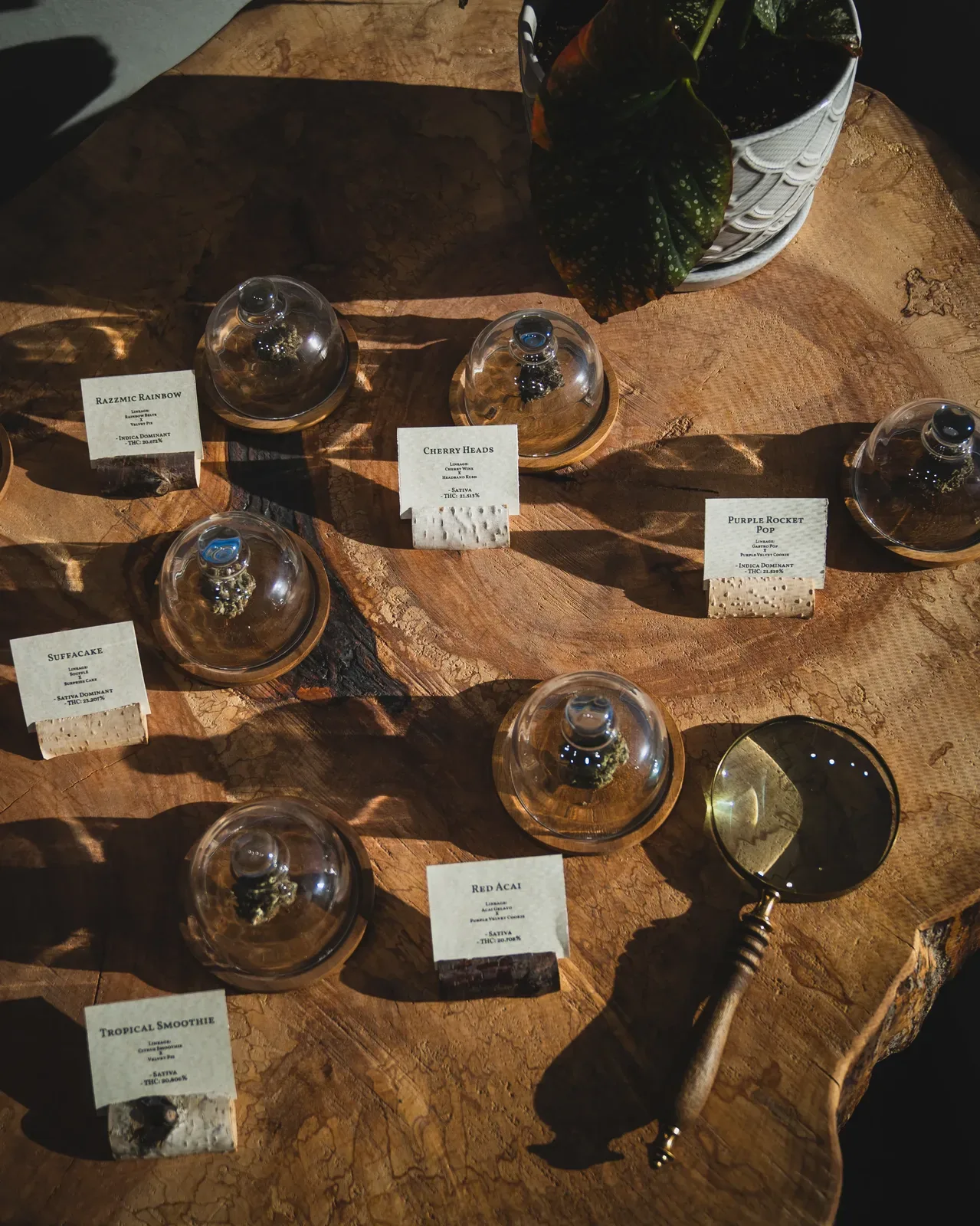
What Do Sativa and Indica Actually Mean?
The honest answer is less than you have been told.
In 1753, Carl Linnaeus classified a European hemp variety as Cannabis sativa — tall, narrow-leafed plants grown primarily for fiber. In 1785, Jean-Baptiste Lamarck described a second variety from India as Cannabis indica — shorter, bushier plants with broader leaves and notably intoxicating effects. These were botanical descriptions of how the plants looked, not how they made people feel.
Over the next two centuries, cannabis cultivators crossbred these varieties so extensively that the original genetic distinction effectively collapsed. Today, virtually every commercial cannabis varietal is a hybrid of sativa and indica genetics, regardless of what the label says.
When a dispensary label says "sativa" or "indica," it is making a claim about expected effects — energizing or relaxing — based on a botanical classification that describes plant shape. The science no longer supports this shorthand. Here is what the research actually says.
Why the Sativa/Indica Distinction Is Misleading
A 2015 study published in PLOS ONE by researchers at Dalhousie University analyzed 81 marijuana and 43 hemp samples using over 14,000 genetic markers. Their finding was definitive: samples labeled as sativa were genetically just as similar to indica-labeled samples as they were to other sativa-labeled samples. The labels bore no reliable relationship to the underlying genetics.
A 2021 study in Nature Plants went further. Researchers analyzed over 100 cannabis samples, genotyping them for more than 100,000 genetic markers while simultaneously measuring terpene and cannabinoid content. The sativa and indica labels were genetically indistinct across the entire genome — with one exception. Labeling showed weak association with variation in a handful of terpene synthase genes on two chromosomes.
This means the sativa/indica distinction, to the extent it captures anything real, is actually describing differences in terpene production — not some fundamental genetic divide between relaxing and energizing plants.
Cannabis researcher Dr. Ethan Russo put it plainly in a 2016 interview published in Cannabis and Cannabinoid Research: the sativa/indica distinction as commonly applied is not supported by evidence. One cannot predict a varietal's chemical content from its morphology, and the labels should be replaced with accurate biochemical assays of cannabinoid and terpene profiles.
How Terpenes Matter More Than Labels
If sativa/indica labels do not reliably predict your experience, what does?
The answer is the chemical profile of the specific flower you are consuming — particularly its terpene composition. Terpenes are aromatic compounds that directly interact with your nervous system and modulate how cannabinoids like THC affect you. They are the steering wheel that directs THC's raw potency into a specific experience.
When someone says "sativas feel energizing," what they are actually describing is the effect of terpene profiles dominated by limonene (citrus), pinene (pine), or terpinolene (floral, herbaceous). These terpenes are associated with alertness, mood elevation, and mental clarity — regardless of whether the plant that produced them was tall and narrow or short and bushy.
When someone says "indicas feel relaxing," they are describing terpene profiles dominated by myrcene (earthy, musky) and linalool (lavender, floral). These terpenes are associated with body relaxation, sedation, and nervous system calming.
The 2024 Johns Hopkins clinical study on limonene and THC demonstrated this directly: adding d-limonene to THC selectively reduced anxiety without diminishing other effects. The terpene shaped the experience. The "sativa" or "indica" label on the source plant was irrelevant.
A 2024 German market analysis published in Cannabis and Cannabinoid Research classified over 100 commercial samples purely by chemical fingerprint and confirmed that terpene and cannabinoid profiles — not botanical names — reliably predicted user experience and therapeutic value.
The Chemotype Approach — A Better Framework
The cannabis industry is slowly moving toward classifying flower by chemotype: the specific combination of cannabinoids and terpenes a particular batch contains.
Five primary chemotypes exist based on dominant cannabinoids. Type I is THC-dominant — the majority of recreational cannabis. Type II is balanced THC and CBD — often preferred for therapeutic use with moderate intoxication. Type III is CBD-dominant with minimal THC. Types IV and V are dominated by minor cannabinoids like CBG or contain no detectable cannabinoids at all.
Within each chemotype, the terpene profile refines the prediction further. A Type I varietal with myrcene and linalool as dominant terpenes will feel very different from a Type I varietal with pinene and limonene — even if both test at 22% THC.
This is more useful than three words on a label. It is specific, measurable, and — critically — it can be verified by looking at the lab results on the packaging.
What Actually Shapes Your Experience
Four factors determine how any cannabis product will affect you, in order of importance.
Your own biology. Your endocannabinoid system is genetically unique. Research published in the American Journal of Psychiatry in 2022 found that over 60% of endocannabinoid system genes show sensitivity to genetic variation. Some people metabolize THC rapidly; others process it slowly. This is why your friend's favorite varietal might feel completely different to you. No label accounts for this — only personal experience and honest self-assessment.
The cannabinoid ratio. The balance between THC, CBD, and minor cannabinoids like CBN and CBG shapes the intensity and character of the experience. High THC with negligible CBD produces strong intoxication. Balanced THC:CBD ratios produce moderated, often more therapeutic effects. High CBD with minimal THC produces relaxation and anti-inflammation without significant intoxication.
The terpene profile. As covered above — terpenes direct the experience. Myrcene relaxes. Limonene uplifts. Pinene focuses. Caryophyllene reduces inflammation. Linalool calms. The specific combination creates the specific experience.
Dose and method. The same varietal consumed as a single puff of flower will feel different from the same varietal consumed as a 10mg edible. Inhalation onset is 2-3 minutes with 2-4 hour duration. Edible onset is 45 minutes to 2 hours with 6-10 hour duration and stronger body effects due to liver metabolism. Dose matters enormously — the beginners guide covers this in detail.
Choosing Cannabis by Effect — A Practical Guide
Forget the sativa/indica/hybrid labels. Here is what to actually look for.
For relaxation and sleep: Ask for flower with high myrcene and linalool. Look for earthy, musky, lavender aromas. These terpenes promote body relaxation and prepare the nervous system for rest. A balanced or slightly CBD-enhanced cannabinoid profile can add calm without excessive intoxication.
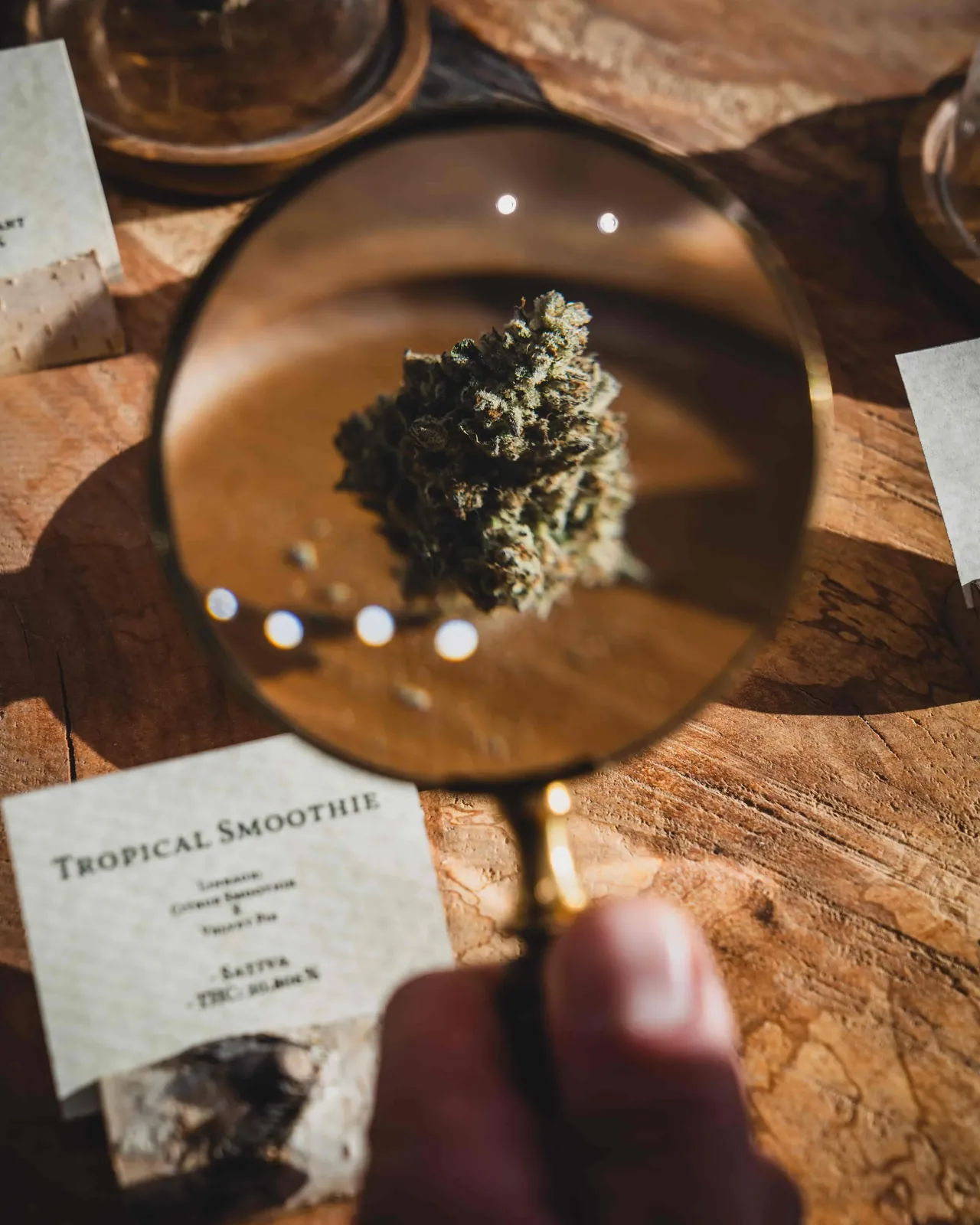
For energy, focus, and creativity: Ask for flower with limonene, pinene, or terpinolene as the dominant terpene. Look for citrus, pine, or fresh herbaceous aromas. At Sunkissed Farm, our Tropical Smoothie varietal is terpinolene-dominant and consistently reported as creatively energizing. Lemon Heads leads with limonene for mood elevation and alertness.
For pain and inflammation: Ask for flower with beta-caryophyllene and humulene. Look for peppery, spicy, or woody aromas. Caryophyllene is the only terpene that directly activates CB2 cannabinoid receptors — the same system targeted by anti-inflammatory cannabinoids. A 2024 University of Arizona study found several cannabis terpenes as effective as morphine for neuropathic pain.
For anxiety reduction: Ask for a balanced THC:CBD ratio with limonene in the terpene profile. The 2024 Johns Hopkins study specifically showed limonene reducing THC-induced anxiety. Higher CBD ratios further moderate anxious effects. Start with lower doses — anxiety responses to cannabis are strongly dose-dependent.
For a first experience: Start with a beginners approach. Lower THC (10-15%), balanced terpene profile, inhalation method for controllable onset. Avoid high-myrcene profiles until you know your tolerance, as they can be unexpectedly sedating.
The Sun-Grown Advantage in Terpene Expression
One reason the sativa/indica label persists is that it offers a simple shorthand where no better option existed. But a better option now exists — and it starts with how the plant is grown.
Cannabis raised in living soil under natural sunlight produces more diverse and higher-concentration terpene profiles than genetically identical plants grown indoors. The 2023 Columbia University study in Molecules demonstrated this directly: sun-grown samples showed significantly greater terpene diversity and fewer degraded cannabinoids.
This matters for the sativa/indica conversation because the terpene profiles that actually create "sativa-like" or "indica-like" experiences are more fully expressed in sun-grown flower. A varietal's true chemical character — the limonene that lifts your mood, the myrcene that relaxes your body — comes through more clearly when the plant has had genuine sunlight, genuine weather, and genuine soil biology shaping its chemistry.
At Sunkissed Farm, every plant grows from seed in living soil on our 29 acres in Windsor. The terroir of the Connecticut River floodplain shapes the terpene profiles our varietals express. When you smell our Laced Cookies and detect pinene and terpinolene, or our Sourdough with its myrcene-forward calm — you are detecting the chemical expression of a specific place, not a generic label.
This is why we encourage customers to choose by nose and by terpene profile rather than by sativa/indica designation. The information is better. The experience is more predictable. And the flower tells you what it will do if you know how to listen.
The Future of Cannabis Classification
The industry is moving, slowly, toward terpene-and-cannabinoid-based classification. Several state markets now require or encourage terpene testing alongside potency testing. Academic researchers have proposed standardized chemotype frameworks. A 2025 study in PeerJ demonstrated that combining cannabinoid and terpene data provides superior classification accuracy compared to cannabinoid profiles alone.
Vermont is positioned well for this transition. The state's Cannabis Control Board already requires that added terpenes in products be cannabis-occurring compounds and be disclosed on the label. As terpene testing becomes standard, Vermont labels will increasingly give consumers the specific chemical information they need to choose with confidence.
Until then, the most reliable approach is also the simplest: smell the flower, ask about the terpene profile, and build your own experience map. Keep notes on what you enjoy and what you do not. Over time, you will develop a vocabulary of terpenes and effects that serves you far better than three words on a sticker.
Resources
Frequently Asked Questions
Is sativa always energizing and indica always relaxing?
No. A 2015 genetic study published in PLOS ONE found no reliable genetic distinction between cannabis samples labeled sativa and indica. A 2021 Nature Plants study confirmed that the only genetic variation associated with these labels involved a few terpene synthase genes — meaning the real distinction is about terpene profiles, not broad plant genetics. A varietal labeled "indica" with a limonene-dominant terpene profile may feel more energizing than a "sativa" with high myrcene. The label is unreliable. The terpene profile is not.
What is a hybrid, and does it offer balanced effects?
Hybrid simply means the varietal has both sativa and indica genetics in its lineage. Since virtually all modern commercial cannabis has been extensively crossbred, nearly everything is technically a hybrid. The "balanced effects" claim depends entirely on the specific cannabinoid and terpene profile of the individual plant, not its hybrid status. A hybrid with 25% THC, negligible CBD, and myrcene-dominant terpenes will feel nothing like a hybrid with 12% THC, 8% CBD, and limonene-dominant terpenes.
Should I ignore sativa/indica labels completely?
Not completely — but treat them as starting points rather than guarantees. Some producers use these labels thoughtfully, roughly matching them to terpene profiles that tend toward energizing or relaxing effects. Others apply them inconsistently. The most reliable approach is to use the label as a general direction, then verify with the terpene profile and lab results when available. Ask your budtender what terpenes dominate the batch you are considering.
What is a chemotype or chemovar?
A chemotype classifies cannabis by its actual chemical composition — the specific cannabinoids and terpenes present and their concentrations — rather than by botanical morphology or varietal name. Type I is THC-dominant, Type II is balanced THC:CBD, Type III is CBD-dominant. Within each type, the dominant terpenes further define the expected experience. This system is measurable, verifiable, and scientifically grounded in a way that sativa/indica labels are not.
Why do dispensaries still use sativa/indica/hybrid labels?
Consumer familiarity. The three-category system is simple, widely understood, and deeply embedded in cannabis culture. Transitioning to terpene-based classification requires more education and more detailed product labeling. The shift is happening — especially in states like Vermont where terpene disclosure is increasingly common — but it takes time for consumer habits and industry standards to catch up to the science.
Can two batches of the same varietal feel different?
Absolutely. Terpene expression varies with growing conditions, harvest timing, curing methods, and storage. A varietal grown in living soil under full Vermont sun will express different terpene concentrations than the same genetics grown indoors in synthetic medium. Even two harvests from the same farm can differ based on weather patterns during the growing season. This is why batch-specific lab testing — and why Vermont's harvest date labeling under Act 56 — matters.