Our Story
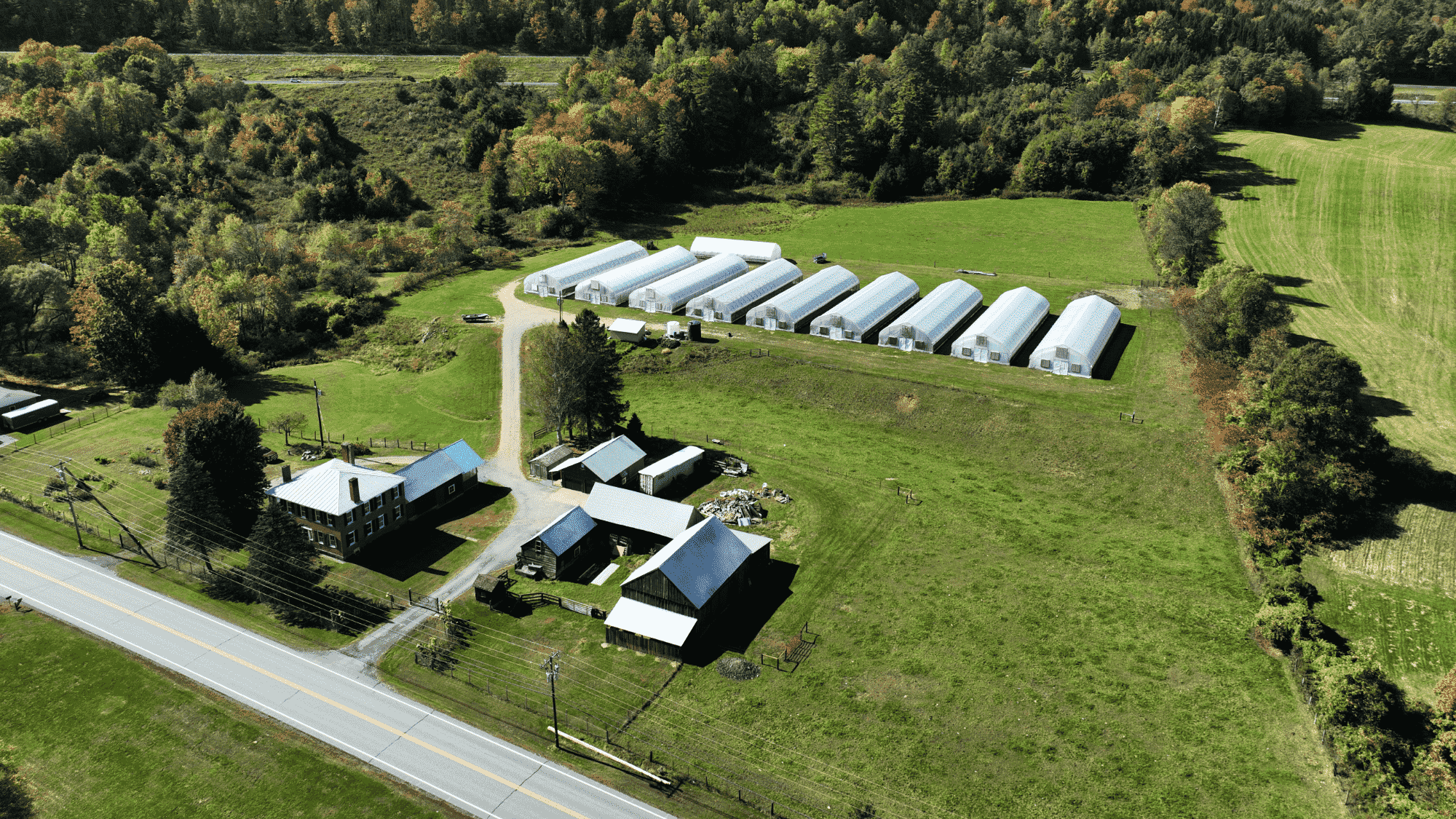
Vermont has been producing agricultural goods for a long time — maple, dairy, cheese, beef. What those industries share is a commitment to provenance: where something comes from matters, and the best producers make that legible in the product itself. Cannabis grown in living soil on the Connecticut River floodplain tastes different from cannabis grown under artificial light in a controlled facility.
The geography, the climate, the soil biology — these things show up in the flower. They are not abstractions. A lot of what sits on dispensary shelves was optimized for yield and shelf stability, not for the character of the plant or the place it came from. That is not a criticism — it is a market reality.
Sunkissed Farm exists because this land is worth growing on properly, and because the people who work it believe the difference is worth making.
Roots and approach
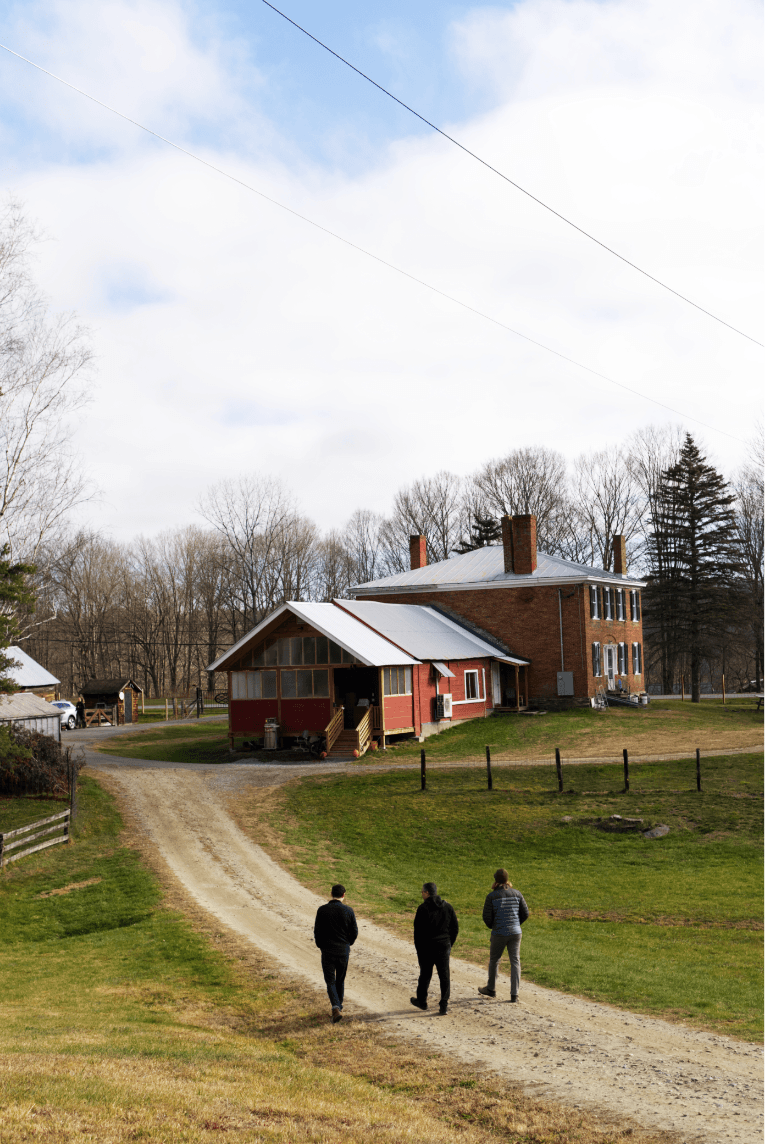
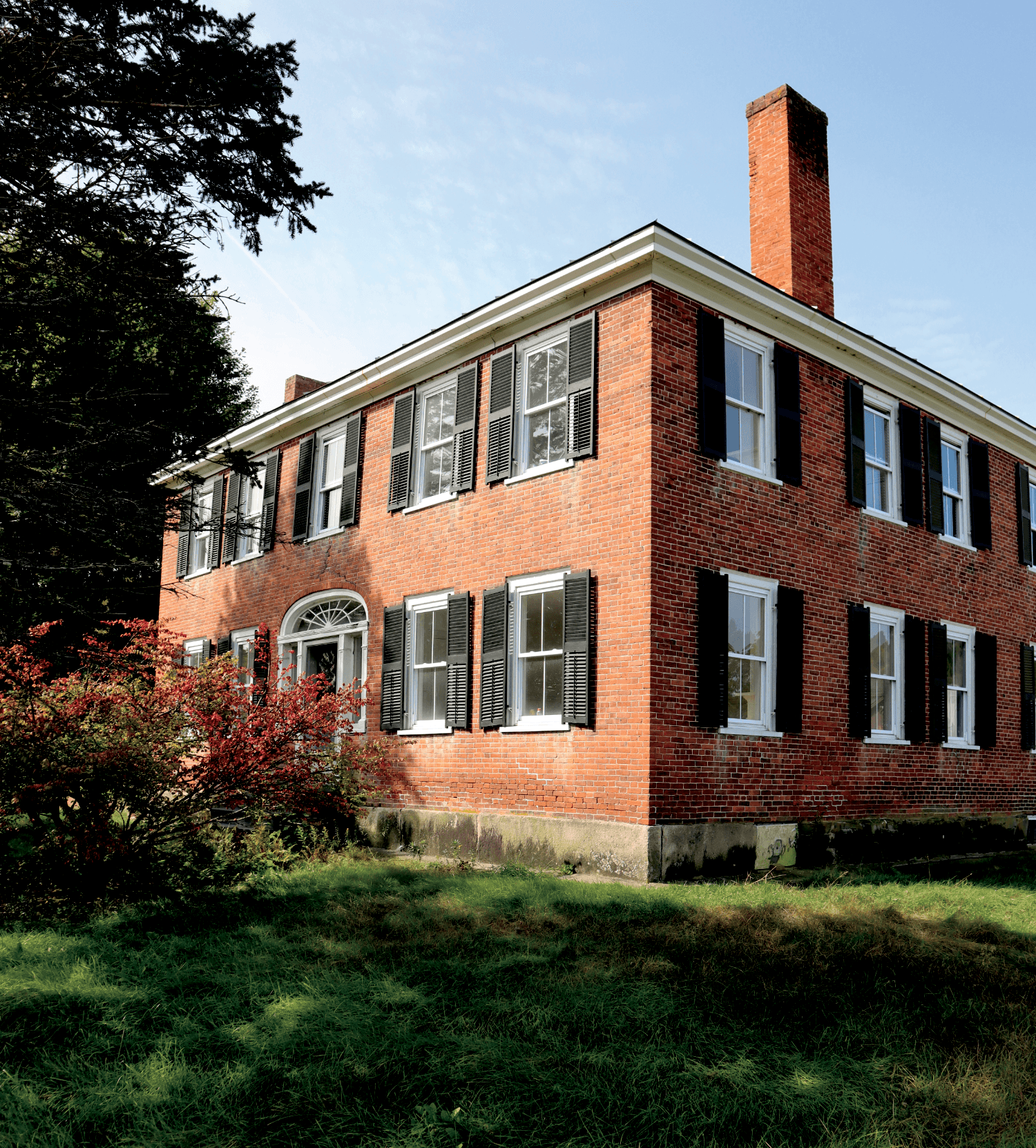
The farmhouse on this property was built in 1805. The soil has been in continuous cultivation since then — sandy loam, fed by spring water drawn from the land, enriched over two centuries by the Connecticut River's natural deposits.
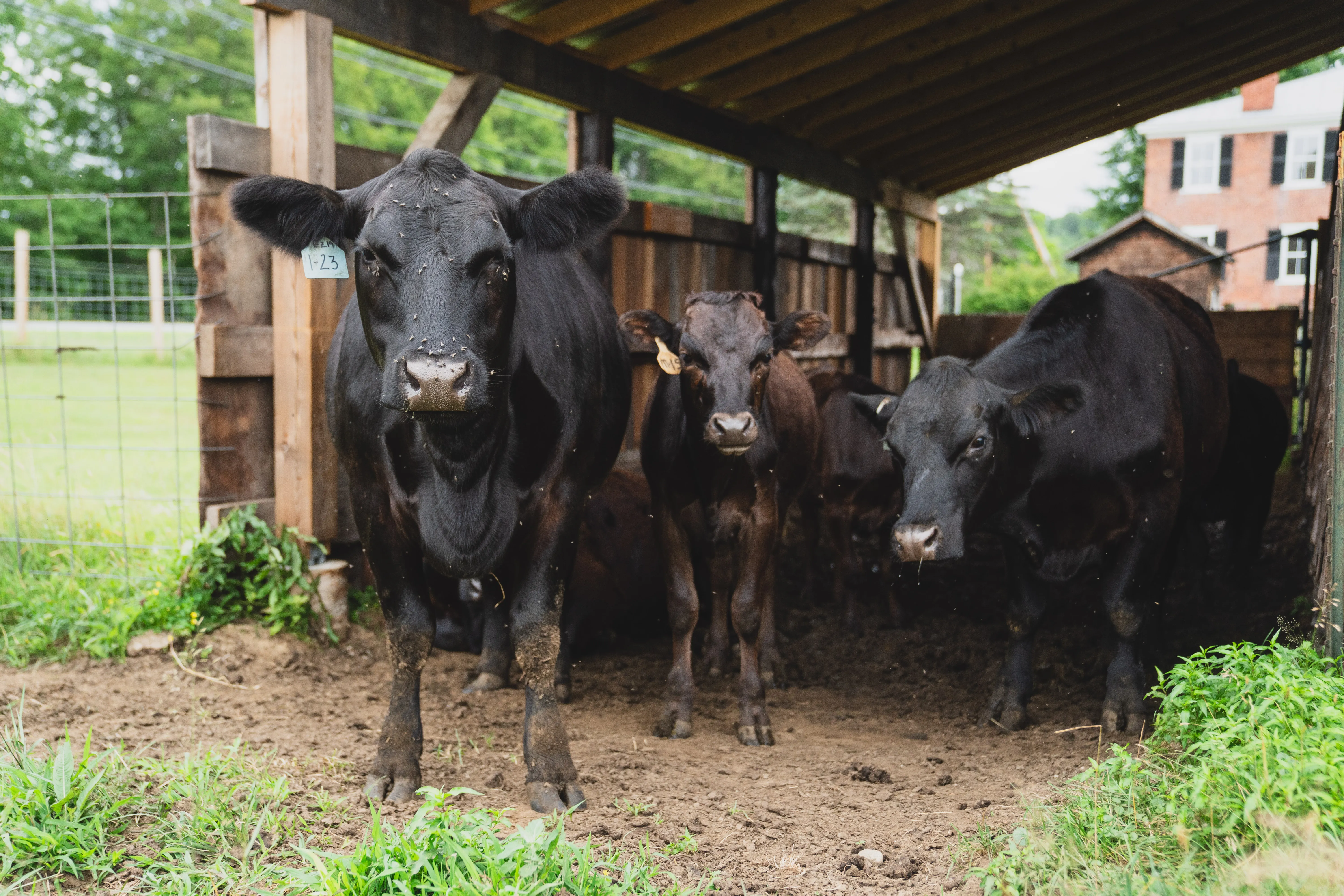
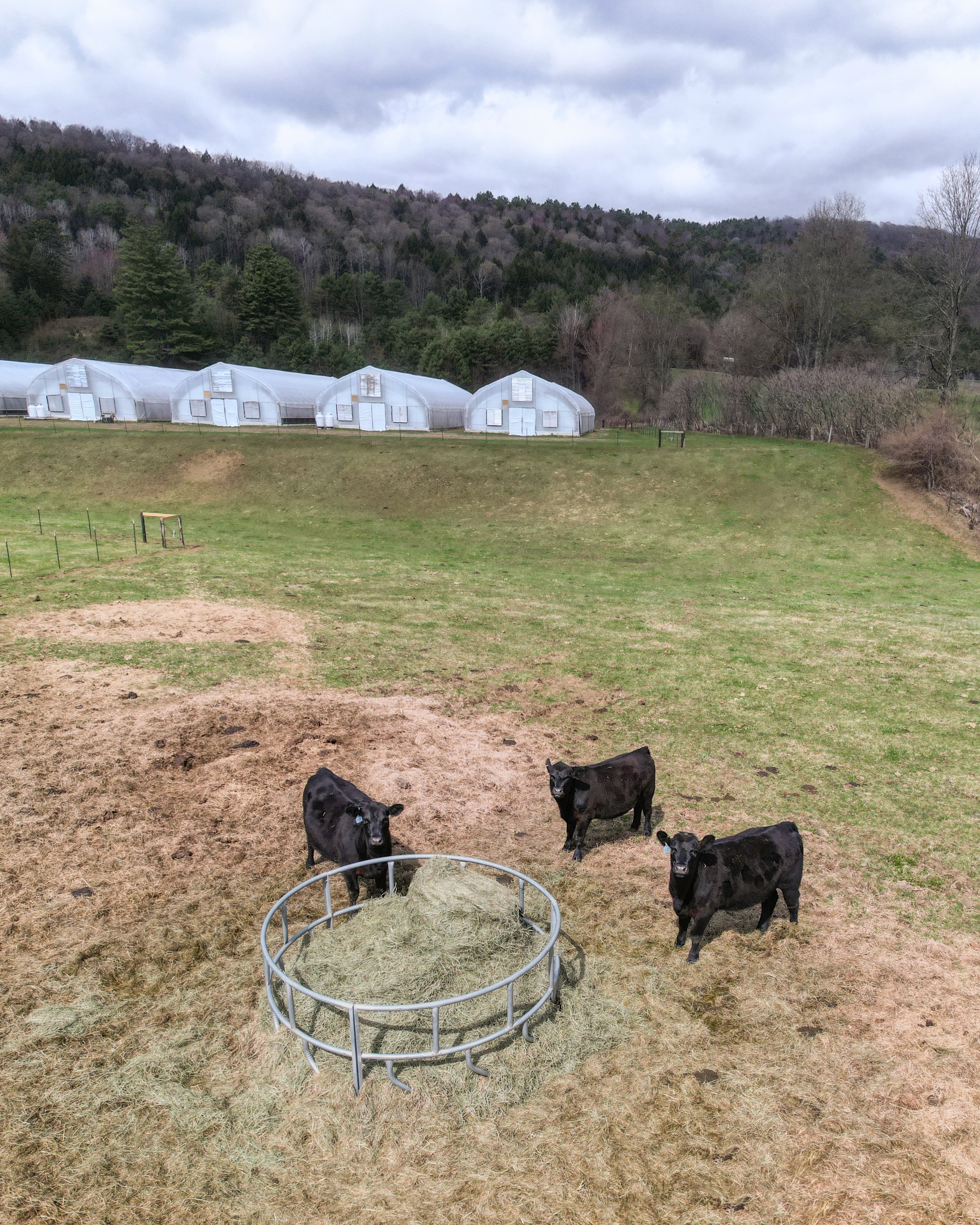
We did not build this soil. We farm it the way it deserves to be farmed. That means living soil: beneficial microbes, mycorrhizal fungi, the underground biological systems that determine how a plant feeds and what it ultimately produces. Pest pressure is managed with ladybugs, mantises, lacewings, and parasitic wasps — alongside insectary flowers and companion plantings that maintain balance through the season. Compost and teas are made on-site, drawing inputs from cattle on the property. Cover crops go in after harvest. Spring water comes from the land. No synthetic pesticides. No shortcuts that trade long-term soil health for short-term convenience.
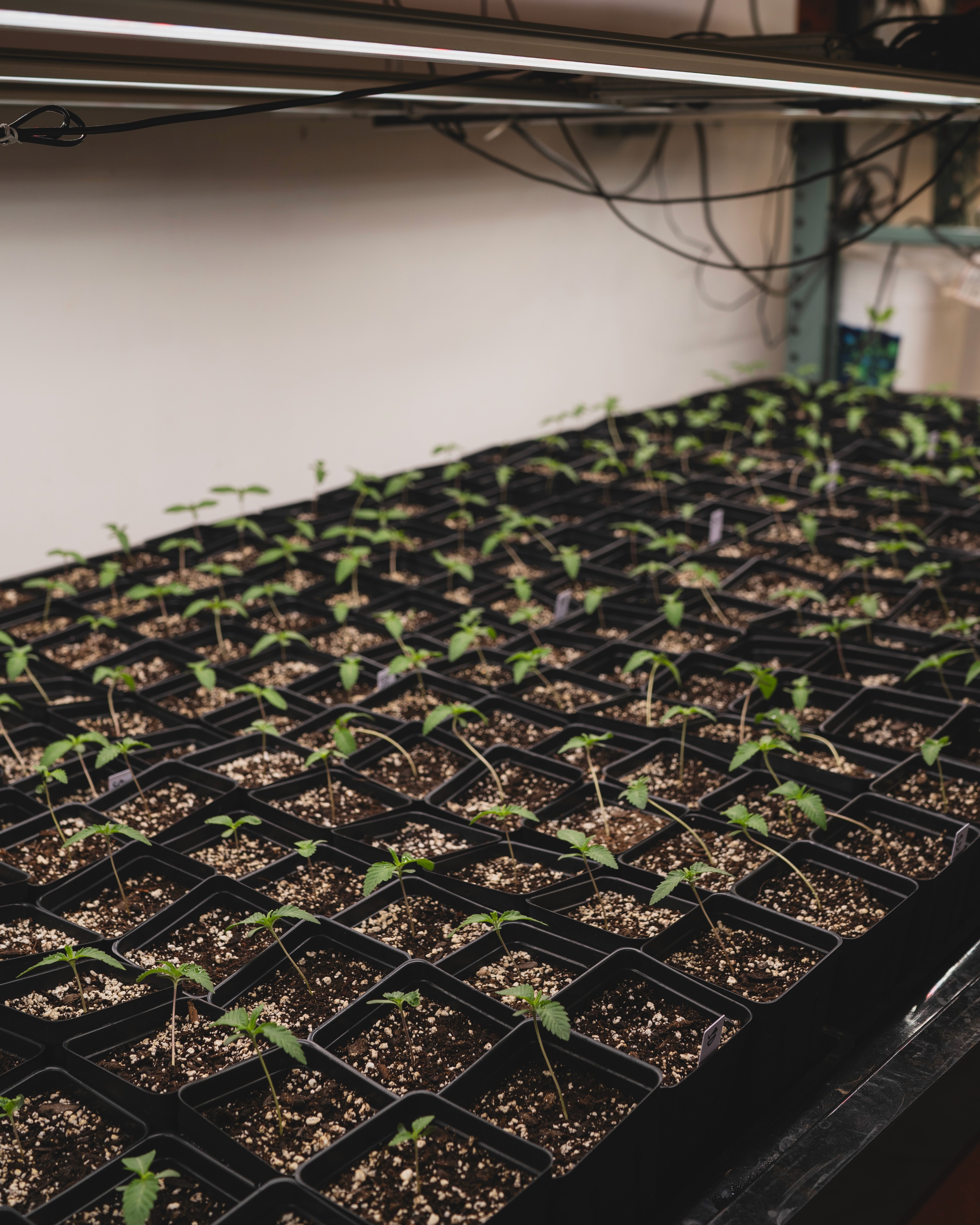
In-House Breeding Program
Every plant starts from seed — our own seed, from an in-house breeding program that crosses landrace genetics with proven modern classics. Seed-grown plants develop differently than clones. The root system establishes more completely. The plant's relationship to the soil is built from the first week of its life, not grafted onto it. The varietals that result are specific to this farm. They were bred for this climate, this soil, and the terpene expression that comes from growing in the Connecticut River Valley. You will not find them anywhere else.
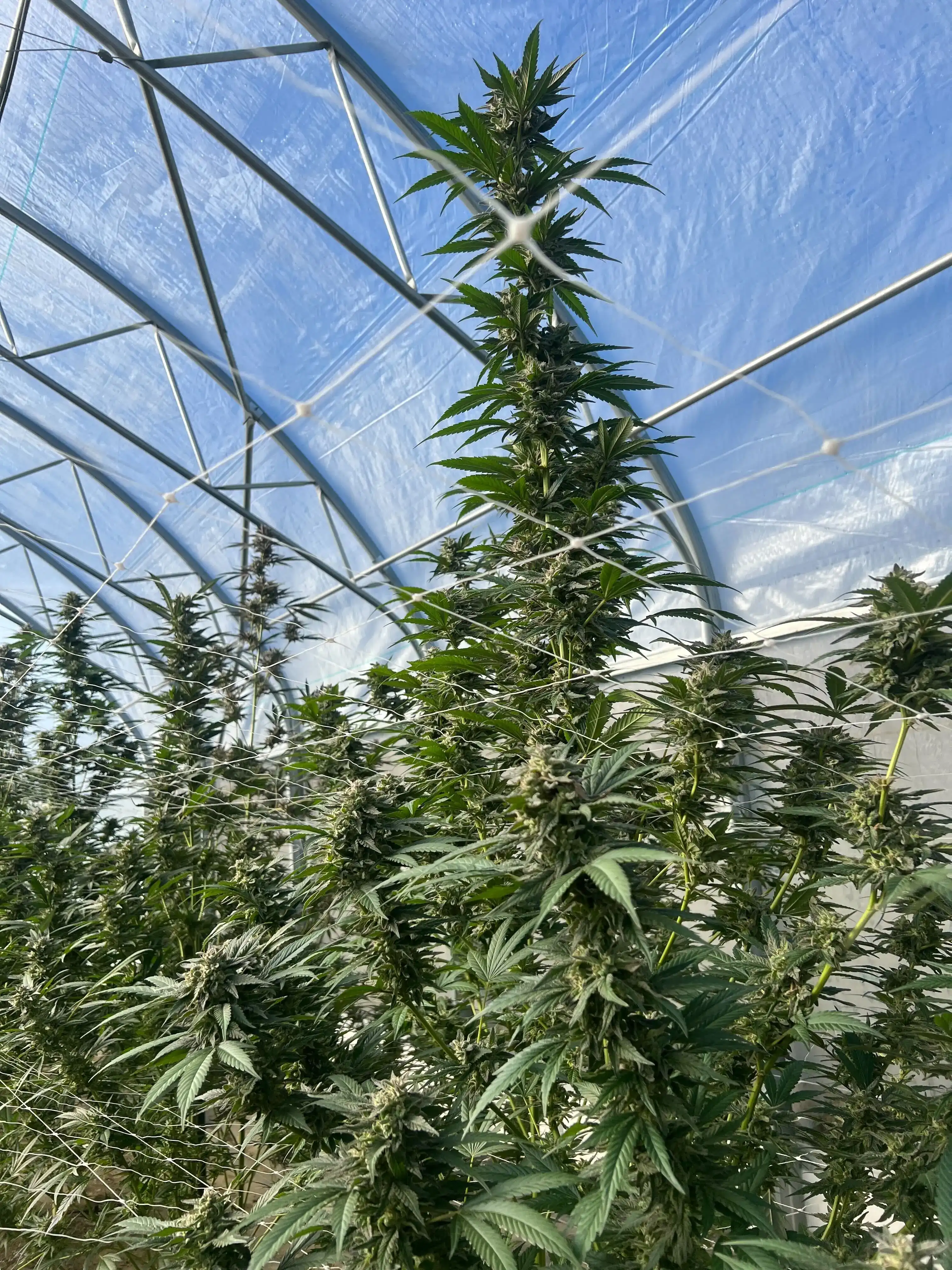
The Light
Windsor sits in the Connecticut River Valley where the floodplain runs wide and the growing season arrives earlier than almost anywhere else in the state. The land holds heat. It holds water. Full sun from spring through late fall, without the interruption of elevation or ridge shadow. Every varietal grown on this farm is grown in that light — not supplemented by it, grown in it. What that does to terpene expression, to resin development, to the final character of the flower is not a marketing claim. It is what happens when a plant spends its entire life cycle outdoors, in the ground, under the sun.
The name
The name came from the land. The crest was built the same way — nothing in it is decorative. The sun at the center is the energy source the farm runs on. The land beneath it is this floodplain, this soil, the 200-year agricultural history of this particular piece of Windsor. The cannabis leaf is the crop: grown here, bred here, tended by hand. The founding year 2023 marks when this chapter began on land that had already been worked for generations. The bordered embellishment is a reference to traditional craft — the kind of attention that treats the whole object as worth finishing properly.