Dry January Cannabis Alternatives: A Vermont Farm's Guide to Mindful Consumption
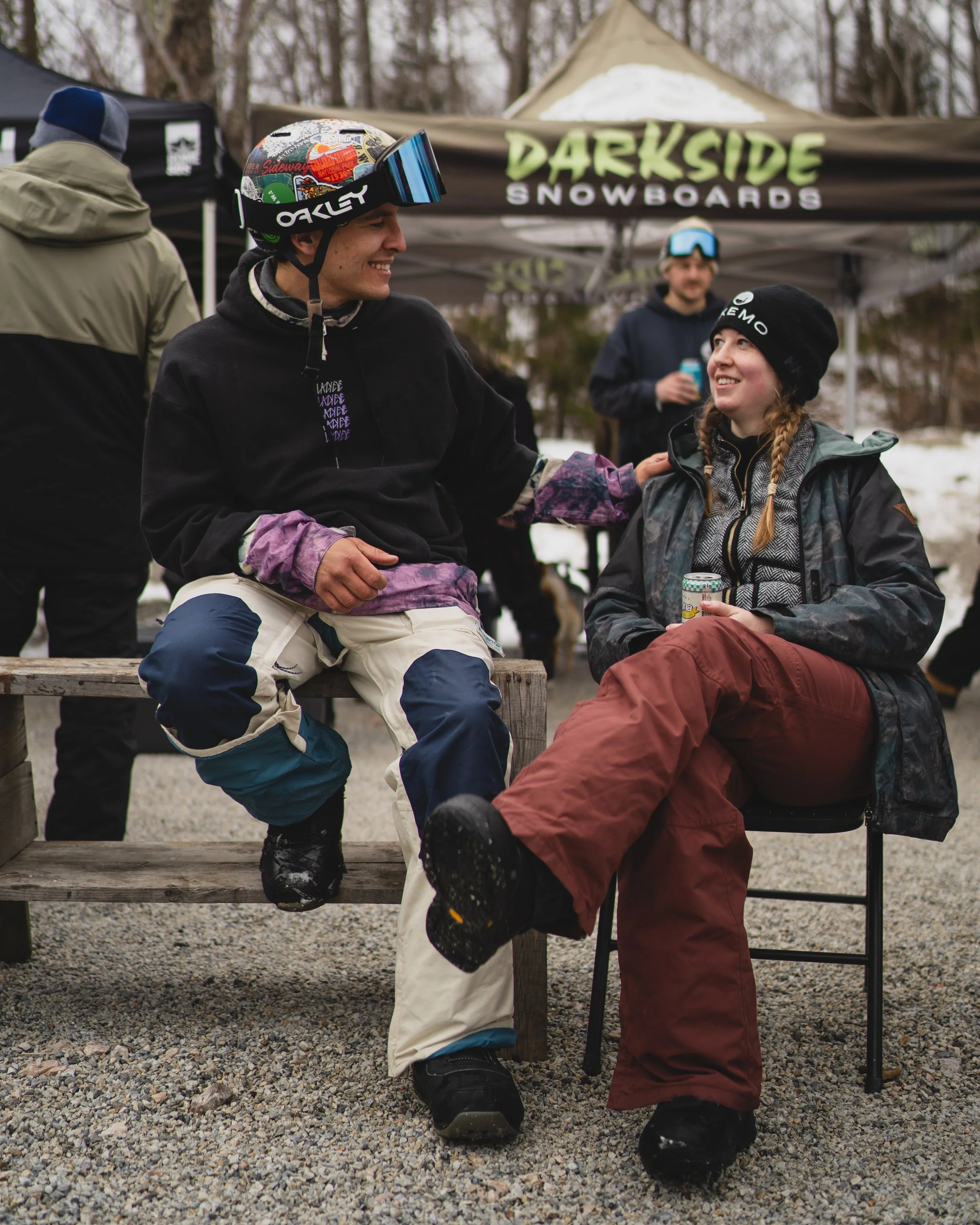
The first week of January brings a familiar quiet to Vermont. Holiday gatherings wind down, the ski slopes settle into their rhythm, and across the state—across the country, really—folks are rethinking their relationship with alcohol.
Maybe you're here because you've heard about Dry January and wondered if there's something else to reach for on a Friday evening. Maybe the hangovers have gotten harder, or you're simply curious about what all the conversation around cannabis beverages is about. Whatever brought you here, you're not alone in asking these questions.
The Shift That's Actually Happening
Something interesting is unfolding in how people approach unwinding. Recent research shows that 30% of Americans are participating in Dry January this year—a 36% increase from just last year. And among younger adults, the numbers are even more striking: nearly two-thirds of Gen Z plan to drink less in 2025, with many citing mental health, physical wellness, and simply feeling better as their reasons.
This isn't about judgment or rigid rules. It's about choice. And increasingly, that choice includes cannabis.
A 2022 study made headlines when it found that for the first time, daily cannabis use among American adults surpassed daily alcohol use. The cannabis beverage market alone is projected to reach over $2 billion by 2026. But the numbers only tell part of the story. What's really changing is the why—people aren't just substituting one thing for another. They're being more intentional about what relaxation actually means to them.
Why Cannabis? What the Research Actually Shows
Let's talk about what we actually know, because there's a lot of noise out there.
A November 2025 study from Brown University—published in the American Journal of Psychiatry—set up an elaborate experiment to test whether cannabis affects drinking behavior. Participants who used cannabis ended up drinking 27% less alcohol compared to those who didn't. They also delayed when they started drinking.
The researchers were careful not to oversell their findings. As lead researcher Jane Metrik put it, they're not ready to tell people to simply swap one for the other. But the signal is there: cannabinoids may play a role in how people relate to alcohol.
When people talk about choosing cannabis over alcohol, they often mention a few things:
No hangover. This is the big one. Cannabis doesn't leave you with the headache, nausea, and fatigue that comes from a night of drinking. You wake up feeling like yourself.
Lower calories. Most alcoholic drinks carry significant calories—a glass of wine runs around 125, a craft beer can hit 200 or more. Many THC beverages clock in under 30 calories.
Clearer head. This one's more personal, but many folks describe feeling more present with cannabis, especially at lower doses. The relaxation without the fog.
Better sleep. Alcohol actually disrupts sleep architecture, even when it helps you fall asleep initially. Cannabis—particularly certain terpene profiles like myrcene—may support more restful sleep for some people.
That said, cannabis isn't without its own considerations. It affects everyone differently. Dosing matters enormously. And the research, while growing, still has gaps. We're not here to tell you cannabis is risk-free—just that for many people, it offers something meaningfully different from alcohol.
Understanding THC Beverages
If you've wandered into a Vermont dispensary recently, you've probably noticed the beverage section has grown. THC-infused drinks have become one of the fastest-growing categories in cannabis, and there's good reason for that.
Unlike traditional edibles, which can take an hour or more to kick in, many modern cannabis beverages use what's called nanoemulsion technology. This sounds fancy, but it essentially means the THC is broken into tiny particles that your body absorbs more quickly—often within 15 to 30 minutes. The onset feels more like having a drink: gradual, predictable, social.
Most beverages available at Vermont dispensaries come in doses ranging from 2.5mg to 10mg of THC per serving. For context:
2.5mg: A microdose. Subtle relaxation, takes the edge off. Good for staying sharp while still unwinding.
5mg: The standard starting point for beginners. Noticeable but manageable effects.
10mg: More pronounced. Better suited for experienced users or those looking for stronger relaxation.
The key is starting low. Unlike alcohol, where you might gauge your state by how you feel in the moment, THC—especially in edibles and beverages—builds gradually. Sip slowly, give it time, and resist the urge to reach for more too quickly.
What Mindful Consumption Actually Looks Like
There's a term floating around—"California sober"—that describes people who've given up alcohol but still use cannabis. The phrase has its critics, and we understand why. It can sound like a loophole rather than genuine change.
But here's what we've observed at the farm and in our dispensary: many people approaching cannabis this way are actually being more thoughtful about consumption than they ever were with alcohol. They're asking about terpene profiles. They're starting with low doses. They're paying attention to how different varietals make them feel.
That intentionality matters.
Mindful consumption might look like:
Choosing a low-dose beverage instead of an automatic glass of wine
Sitting with the effects rather than chasing more
Noticing what you actually want—relaxation? Social ease? Help sleeping?—and selecting accordingly
Keeping a journal of what works for you and what doesn't
It's less about the substance itself and more about the relationship you're building with it.
A Note About Vermont's Approach
Vermont has always done things a little differently. We were among the first states to legalize medical cannabis, and our recreational market, which opened in late 2022, has grown thoughtfully. The emphasis has been on craft cultivation—small farms, local products, quality over quantity.
This matters when you're thinking about cannabis as an alternative to alcohol. Vermont's dispensaries carry products from farms that care about how things are grown. You can ask where your flower came from, who cultivated it, what went into the soil. Try doing that with your average bottle of wine.
At our dispensary in Woodstock, we've set things up like a farm stand. Come in, take your time, smell what we're growing. Ask questions. There's no rush, and there shouldn't be. This is about finding what works for you.
Getting Started: Practical Tips
If you're considering cannabis as part of your Dry January—or any time you're looking to drink less—here are some things to keep in mind:
Start with beverages or low-dose edibles. These offer the most control over your experience. Smoking or vaping hits faster and harder, which can be overwhelming if you're new or returning after a break.
Begin with 2.5mg to 5mg. You can always take more; you can't take less. Give yourself at least an hour to feel the full effects before deciding if you want more.
Choose your setting. Cannabis, especially if you're not used to it, is best enjoyed somewhere comfortable with people you trust. This isn't the time for a crowded bar or high-stakes social situation.
Stay hydrated. Cannabis can cause dry mouth—keep water nearby. And while THC doesn't dehydrate you the way alcohol does, staying hydrated is just good practice.
Know the law. In Vermont, adults 21 and older can purchase cannabis from licensed dispensaries. Consumption is legal on private property. Public consumption carries a $100 fine, and you can't use in a vehicle. If you're visiting from out of state, purchase here and consume here—don't try to take products across state lines.
Talk to someone at a dispensary. Good budtenders are knowledgeable and genuinely want to help you find the right product. Don't be afraid to say you're new, you're curious, or you're not sure what you're looking for.
The Bigger Picture
Dry January is one month. But for many people, it becomes a starting point for something longer-term—a reconsideration of drinking culture, a reset of habits, a discovery that there are other ways to relax.
We're not here to tell you alcohol is bad and cannabis is good. Both have their place, both have their risks, and what works for one person may not work for another. What we can say is that the conversation is shifting. More people are asking questions. More options exist. And that's ultimately healthy for everyone.
If you're curious, come by the farm stand sometime. We're happy to talk through what we grow, how we grow it, and what might suit what you're looking for. No pressure, no rush. Just neighbors helping neighbors figure things out.
That's how it's always worked around here.
