An honest look at cannabis and sleep research — what works, what doesn't, why tolerance matters, and which terpenes and cannabinoids the science actually supports.
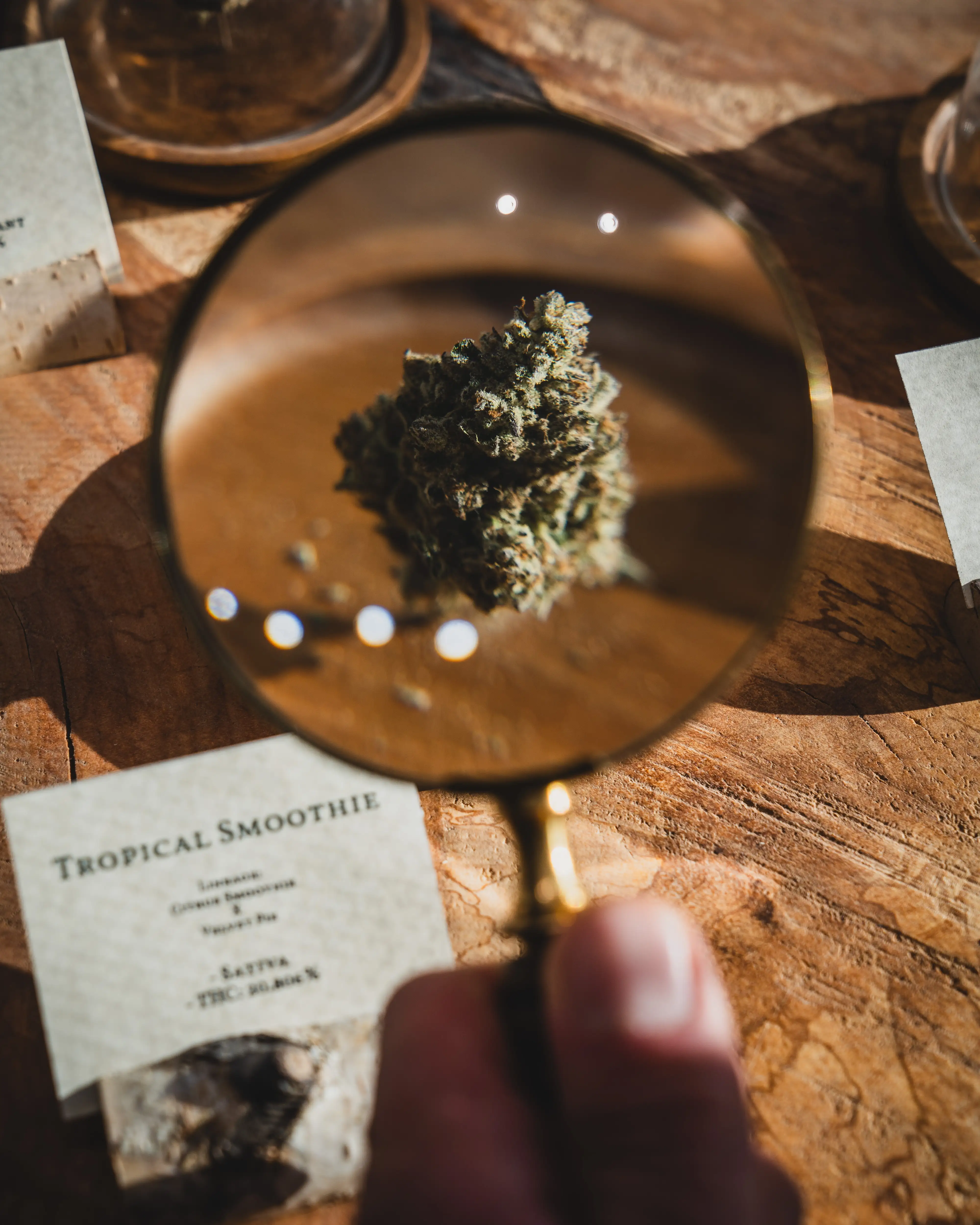
Winter nights in Vermont run long. By mid-January, the sun sets before five, and the dark stretches on for fourteen hours or more. If you've found yourself lying awake at 2 AM, watching the cold moonlight on snow-covered fields, you're not alone. Sleep troubles affect roughly one in three adults, and plenty of Vermonters have started wondering whether cannabis might help.
The honest answer? It's complicated. The research is genuinely mixed, and what works for some folks doesn't work for others. But there are some things worth knowing — real information that can help you make thoughtful decisions about whether cannabis belongs in your evening routine.
What the Research Actually Shows
A 2025 study published in PLOS Mental Health followed insomnia patients using cannabis-based products over 18 months. The findings were encouraging: participants reported sustained improvements in sleep quality, reduced anxiety, and better overall wellbeing. Most side effects were mild — dry mouth, occasional fatigue — and nothing life-threatening.
But here's where it gets nuanced. A separate meta-analysis of over 1,000 patients found that cannabinoids improved subjective sleep quality, but the benefits were driven primarily by products containing THC, not CBD alone. Meanwhile, research from the University of Michigan found that about 18% of young adults use cannabis to fall asleep — yet the researchers cautioned that long-term, regular use may actually worsen sleep problems over time.
The takeaway isn't that cannabis doesn't work. It's that how you use it matters as much as whether you use it.
The Tolerance Question
This is the part most cannabis marketing conveniently skips over, so let's be direct about it.
When you use cannabis for sleep every night, your body adapts. The same dose that helped you drift off in November might feel less effective by February. This is tolerance, and it's a real consideration. Some researchers have found that daily users report more sleep problems than occasional users — and in some studies, more problems than people who don't use cannabis at all.
The implication isn't that you should never use cannabis for sleep. It's that using it thoughtfully — perhaps a few nights a week rather than every night — may preserve its effectiveness longer while letting your body maintain its natural sleep rhythms.
If you've been using cannabis nightly and decide to stop, you should know that withdrawal often includes a few nights of disrupted sleep and vivid dreams. This usually settles within a week or two. The dreams, some people find, are actually interesting after months of not remembering them.
Why Terpenes Matter More Than You Might Think
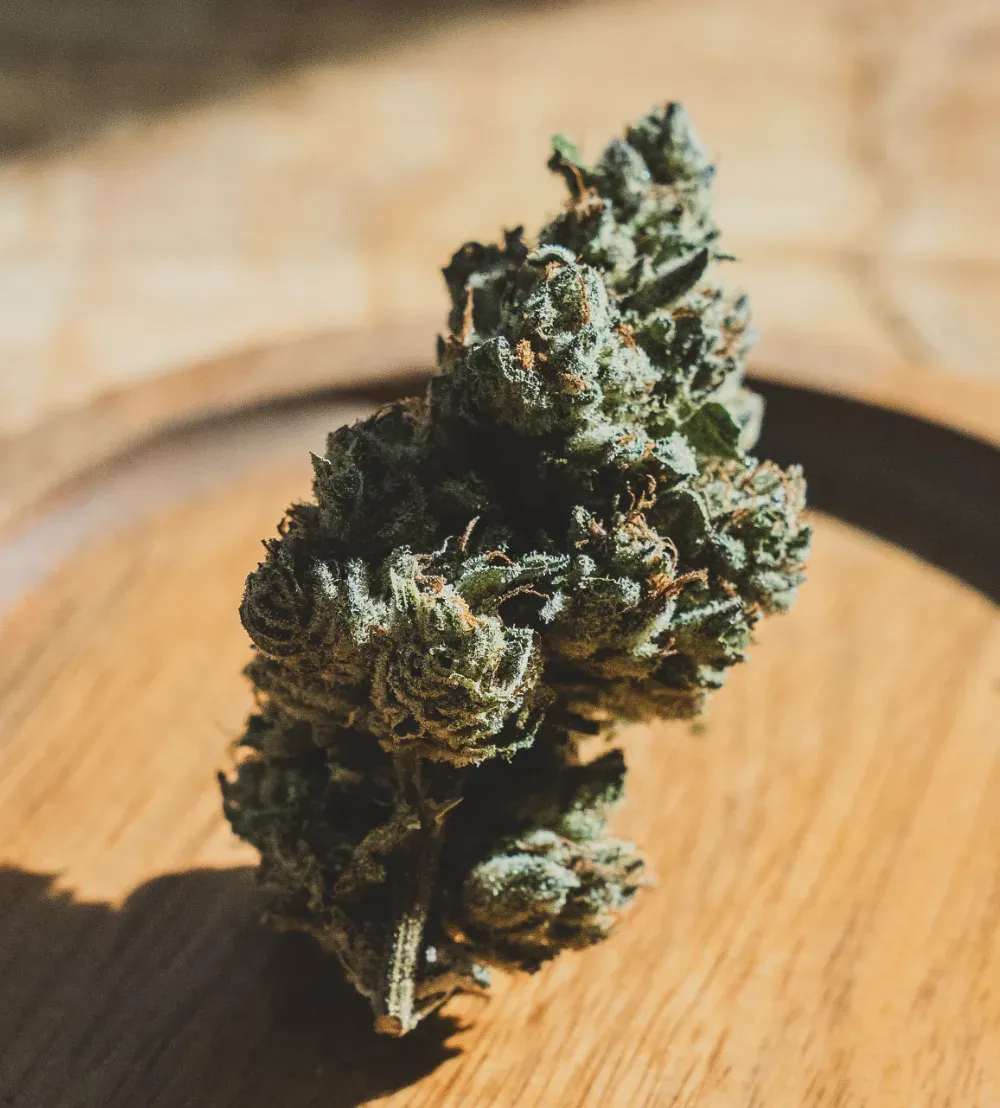
When people ask what cannabis varietal might help with sleep, they're usually thinking about THC content. But the terpenes— the aromatic compounds that give each varietal its distinctive smell — may matter just as much.
Myrcene is the one to know. It's the most abundant terpene in cannabis, with an earthy, slightly musky character. Research suggests it interacts with GABA receptors in the brain — the same system targeted by prescription sleep medications — promoting relaxation and extending sleep time. Cannabis varietals with more than 0.5% myrcene are often associated with that deep, body-heavy feeling some folks call "couch-lock."
Linalool, the terpene that gives lavender its calming reputation, shows up in some cannabis varietals too. It's been studied for its ability to reduce anxiety, which for many people is the real barrier to falling asleep in the first place.
At our farm, we've bred varietals with these profiles in mind. Living soil cultivation in Vermont's Connecticut River floodplain tends to produce plants with full, developed terpene profiles — something you don't always get from indoor grows under artificial lights. When you can smell a jar and actually identify those different notes, that's the terpenes talking.
A Word About CBN
You may have heard about cannabinol, or CBN, marketed as "the sleepy cannabinoid." The research here is genuinely promising. A 2024 study from the University of Sydney found that CBN increased both non-REM and REM sleep in controlled studies, with effects comparable to the prescription sleep medication zolpidem.
What's interesting about CBN is that it's formed naturally as THC ages. Older cannabis contains more of it, which may explain the folk wisdom that "aged cannabis" feels more sedating. Unlike THC, CBN doesn't appear to cause significant intoxication at typical doses.
A separate double-blind, placebo-controlled trial with 321 participants found that 20mg of CBN reduced nighttime awakenings and overall sleep disturbance. That's solid evidence — the kind that actually holds up.
Practical Considerations for Vermont's Long Nights
If you're thinking about trying cannabis for sleep, here are some honest suggestions based on what the research supports:
Start low and go slow. This advice applies everywhere, but especially for sleep. A smaller dose in the evening is usually more effective than a large one that leaves you groggy the next morning. For edibles, 2.5 to 5mg of THC is a reasonable starting point.
Consider timing. Inhaled cannabis acts quickly and fades relatively fast — usually within 2–3 hours. Edibles take longer to kick in (often 60–90 minutes) but last much longer. If you're waking up at 3 AM, an edible might serve you better than flower.
Pay attention to what you're actually using. Ask about terpene profiles. Look for varietals high in myrcene or linalool if relaxation is your goal. Avoid anything described as "energizing" or "uplifting" in the evening — those characteristics come from terpenes like limonene and pinene, which are wonderful, just not at bedtime.
Don't rely on it every night. The research consistently suggests that occasional use preserves benefits better than daily use. If you're struggling with chronic insomnia, cannabis might be one tool among several rather than your only approach.
Be honest with yourself about what's working. After a few weeks, are you actually sleeping better? Waking up more rested? If the answer is no, that's useful information. Cannabis isn't a solution for everyone, and there's no shame in that.
When Cannabis Isn't the Answer
Some sleep problems have underlying causes that cannabis won't address. Sleep apnea, restless leg syndrome, chronic pain, or anxiety disorders may all benefit more from medical attention than from anything you can buy at a dispensary. If you've been struggling with sleep for months, it's worth talking to a doctor — not instead of exploring cannabis, but in addition to it.
The Vermont Context
We grow cannabis in Windsor, on a 29-acre farm where the Connecticut River floodplain meets the foothills of the Green Mountains. Our dispensary is set up like a farm stand — you can smell the jars before you choose, ask questions, take your time.
What we've found, talking with folks who come through our doors, is that many Vermonters are looking for exactly this kind of honest information. They're not looking for hype. They want to know what might actually help them get through these dark months with a bit more rest.
There's something fitting about that. Vermont has always been a place where people figure things out for themselves, ask their neighbors what worked, and approach new things with healthy skepticism. Cannabis for sleep isn't magic, but for some people, used thoughtfully, it's been genuinely helpful.
If you're curious, stop by. We're happy to talk through what we grow and why certain varietals might suit what you're looking for. No pressure, no sales pitch — just good information from folks who tend these plants every day and believe you deserve to know what you're choosing.
Resources
Frequently Asked Questions
Does cannabis actually help you sleep?
Research shows mixed but generally positive results. A 2025 study in PLOS Mental Health found sustained sleep quality improvements over 18 months in insomnia patients using cannabis-based products. However, benefits are driven primarily by THC-containing products, not CBD alone, and daily use may reduce effectiveness over time due to tolerance. Cannabis works best as one tool among several rather than a nightly dependency.
What's the best cannabis product for sleep?
Look for varietals high in the terpene myrcene, which interacts with GABA receptors — the same system targeted by prescription sleep aids. Edibles are often preferred for sleep because their effects last four to eight hours, covering more of the night than inhaled cannabis, which typically fades within two to three hours. Products containing CBN, a cannabinoid formed as THC ages, also show promise for sleep support.
Will cannabis affect my sleep quality or REM sleep?
THC tends to reduce the time spent in REM sleep, which is the stage associated with vivid dreaming. Some people consider this a benefit — particularly those with PTSD-related nightmares — while others may find it less restful long-term. If you stop using cannabis after regular use, expect a temporary rebound of vivid dreams as REM sleep normalizes, usually within one to two weeks.
How much cannabis should I take for sleep?
Start with 2.5 to 5 milligrams of THC if using edibles, or one small inhalation if using flower. A smaller evening dose is usually more effective than a large one — higher doses can increase next-morning grogginess without improving sleep quality. Adjust gradually over several nights rather than increasing the dose after one underwhelming experience.
Can I use cannabis for sleep every night?
You can, but the research suggests occasional use preserves benefits better than daily use. Tolerance develops with nightly consumption, meaning you may need increasing doses for the same effect. Consider using cannabis a few nights per week and maintaining other sleep hygiene practices — consistent bedtime, cool room, limited screen time — on off nights.
Is CBD or THC better for sleep?
The evidence favors THC for direct sleep induction. CBD may help indirectly by reducing anxiety that interferes with falling asleep, but CBD alone has not shown strong sleep-promoting effects in most studies. Balanced THC/CBD products offer a middle ground — the THC promotes sleep while CBD moderates the psychoactive intensity, producing a gentler experience.